Top 6 Tips After You’ve Been in a Parking Lot Accident
Here are 6 tips you should follow if you get into a parking lot crash.
1. Remain Calm
When a parking-lot accident first occurs, never admit it was your fault and don’t argue over who was at fault, says Nancy Germond, an insurance expert from Phoenix.
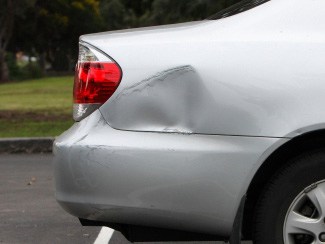
“It’s not productive and can get out of hand. Just exchange names, addresses, phone numbers and insurance information, and let your insurance company work it out,” Germond says. “Simply say, ‘My adjuster will contact you.'” Then call your auto insurance agent or your insurance company’s toll-free number.
2. Call the police
Even if there appears to be no damage to both cars and you’re both uninjured, always call the police and file a police report, says Kevin Ross, agency principal at Ross Insurance in Massachusetts. “Three months later, the other party may claim neck injuries and damage to their car,” he says, potentially leaving you on the hook for damages.
3. Find witnesses
Look around for witnesses to the accident and ask whether they’d be willing to give you their name or contact number.
“Witnesses can testify to the location of the vehicles,” Germond says.
Witnesses are most valuable in a hit-and-run. If you’re lucky, a Good Samaritan will show up and leave the culprit’s license plate number on your windshield, Ross says. “In this case, you won’t have to pay your deductible and your insurance company will be reimbursed through the at-fault driver,” he says.
Unfortunately, if the other person gets away, you must pay the deductible to get your car fixed.
4. Document the scene
Don’t move the vehicles until you take pictures. Photograph the skid marks, if any, along with broken glass or other debris. The more you can document for your car insurance company, the better off you will be.
“Use your smartphone or keep a disposable camera in your glovebox,” Germond says. “Take pictures (as many as 10) to show the routes of travel, where you were — all before you move the cars, if possible. When you get home, diagram what occurred to provide to your insurance adjuster.”
5. Determine fault
If you’re at fault, you’ll pay your deductible and you’ll be assigned points, which causes your insurance rates to increase, Ross says. “Your rate will only go up if the accident is determined to be your fault and the damage exceeds $500, although this may vary from state to state,” he says.
Determining the at-fault party is easy in some cases. “You’re at fault if you’re the person entering the flow of traffic — for example, backing up into traffic from a parking space or a driveway,” Ross says.
Often, parking-lot accidents come down to your word against the other driver’s. In this case, insurance companies split the fault on a 50-50 basis, Ross says. “Each person pays their deductible,” he says, “and no points will be assigned.”
6. Be proactive
Avoiding the accident in the first place is your best defense. Keep these pointers in mind:
• Pull into a parking spot where you don’t have to back up but can instead pull forward into the lane of travel.
• Buy a car with a backup sensor or backup camera to alert you to objects or people behind you. If your car doesn’t come with a backup sensor or camera, consider buying one.
• Before you buy a car, test it extensively for blind spots, as some cars have bigger blind spots than others, making it difficult to see behind you.
• When you’re looking at buying a car, rent it for a week first to see how it handles and whether the blind spots cause problems.
• Watch for wind gusts when opening your car door, as they can catch the door, which can hit a car next to you in a parking lot.
• If possible, avoid parking lots at shopping centers and stores on super-busy Saturdays.
The smartest thing any driver can do is to get the best insurance policy before accidents happen.
- About the Author
- Latest Posts

Michael Giusti is a senior insurance analyst, business journalist, and university professor with over 20 years of experience. He serves as department chair at Loyola University New Orleans and contributes to Insurance Thought Leadership, U.S. News, and other leading financial outlets.